Joint Health: The Role of Glucosamine and Chondroitin
Understanding naturally occurring compounds that support connective tissue structure and function.
What Are Glucosamine and Chondroitin?
Glucosamine and chondroitin are naturally occurring compounds found abundantly in connective tissues, particularly in cartilage. These substances play fundamental roles in the structure and function of healthy joints.
Both compounds are major components of the extracellular matrix—the structural scaffolding that provides strength, elasticity, and resilience to joint tissues. Understanding how these compounds work is essential to comprehending how joints maintain their flexibility and comfort.
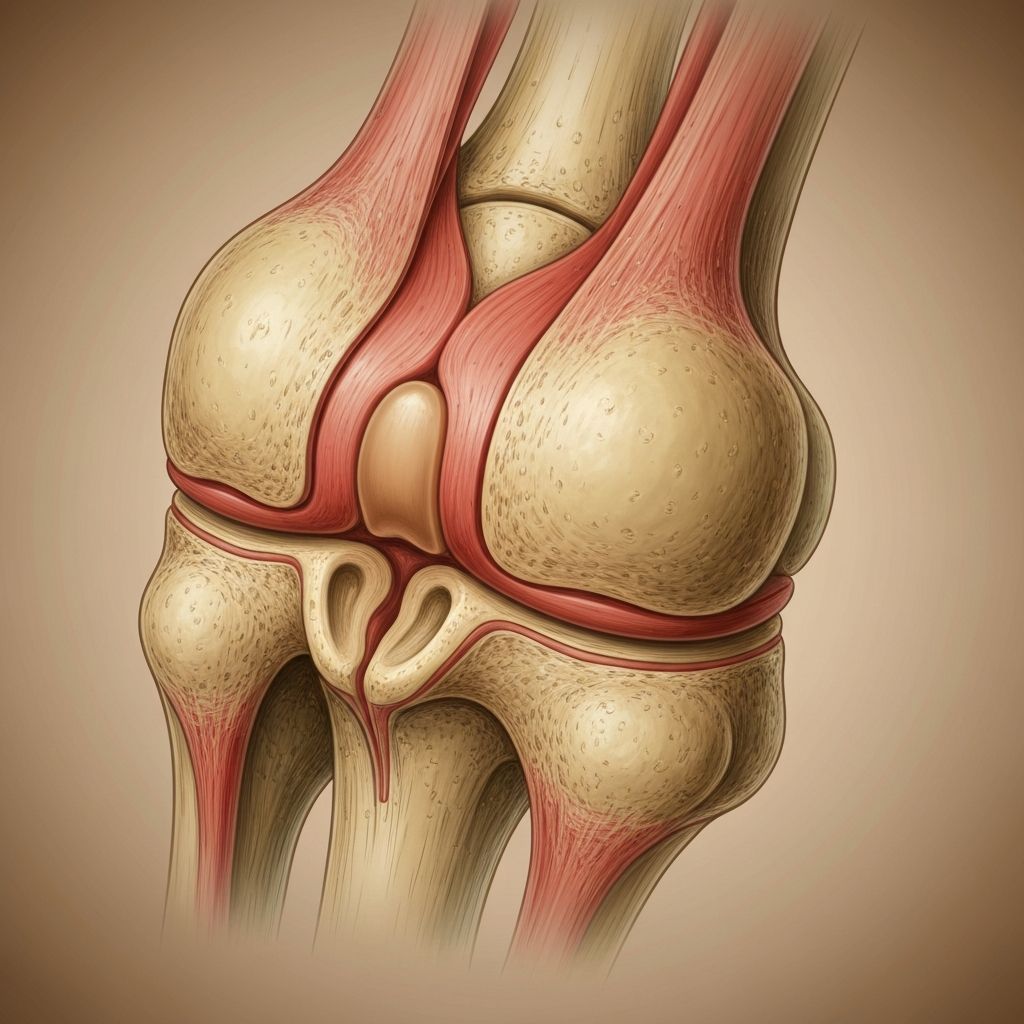
Glucosamine and chondroitin are integral components of healthy joint cartilage.
Glucosamine: Structure and Function
Molecular Basis
Glucosamine is an amino sugar that serves as the foundational building block for glycosaminoglycans (GAGs) and proteoglycans—complex molecules essential to cartilage structure. The body synthesizes glucosamine naturally from glucose, but this capacity may decrease with age.
Cartilage Synthesis
Glucosamine serves as a precursor for the production of cartilage matrix components, supporting the structure and integrity of joint cartilage.
Fluid Dynamics
Glycosaminoglycans synthesized with glucosamine's participation help maintain the water content and cushioning properties of synovial fluid.
Structural Support
These compounds contribute to the mechanical properties that allow joints to withstand load and maintain flexibility during movement.
Chondroitin: Structure and Function
Molecular Composition
Chondroitin is a large glycosaminoglycan composed of chains of alternating sugars. It binds water molecules, creating the gel-like matrix of cartilage that provides both elasticity and load-bearing capacity. Chondroitin forms the backbone of proteoglycans, which are the primary structural components of cartilage.
Water Retention
Chondroitin's ability to bind water creates the turgid gel of cartilage, providing cushioning and maintaining joint space during movement.
Cartilage Preservation
Chondroitin may inhibit certain enzyme systems that could otherwise degrade cartilage matrix components.
Nutrient Transport
The chondroitin-containing matrix facilitates nutrient diffusion to cartilage cells, supporting their survival and function.
Natural Sources and Supplement Forms
Dietary Sources
While glucosamine and chondroitin are naturally abundant in connective tissue, dietary sources include:
- Bone broth and collagen-rich foods
- Cartilage and connective tissue from animals
- Shellfish exoskeletons
- Fermented foods
However, the concentration in food sources is typically lower than in pharmaceutical supplements.
Supplement Forms
Available supplement types include:
- Glucosamine Sulfate: Salt form showing good absorption
- Glucosamine HCl: Hydrochloride form with high purity
- N-Acetyl Glucosamine: Modified form with enhanced stability
- Chondroitin Sulfate: Standard pharmaceutical form
- Combination Products: Glucosamine with chondroitin together
Bioavailability and Absorption
Absorption Mechanisms
One of the most significant research areas concerns how effectively these large molecules can be absorbed from the gastrointestinal tract and reach systemic circulation. Research indicates:
Glucosamine Absorption
Glucosamine is relatively small and is absorbed through specific intestinal transport mechanisms. Studies show it achieves measurable blood levels after oral administration, with absorption influenced by:
- The specific form (sulfate vs. HCl)
- Presence of other nutrients
- Individual gastrointestinal function
- Particle size and formulation
Chondroitin Absorption
Chondroitin's large molecular size presents absorption challenges. Despite its size, research demonstrates that some chondroitin is absorbed, though the percentage varies:
- Molecular weight affects absorption efficiency
- Intestinal permeability influences uptake
- Some absorption may occur via specific pathways
- Mechanisms of action may include local effects in the GI tract
Research on Effectiveness
Major Clinical Trials
Extensive clinical research has examined glucosamine and chondroitin, with particularly large studies examining their effects on joint health. Results have been somewhat mixed:
Positive Research Findings
Several studies report benefits for joint comfort and mobility, particularly in certain populations. Positive findings suggest:
- Potential support for cartilage structure maintenance
- Possible slowing of age-related changes
- Support for mobility and comfort in active individuals
- Potential preventive benefit when started early
Nuanced Findings
Other research suggests more modest effects or identifies factors influencing outcomes:
- Effect size varies considerably between studies
- Individual response is highly variable
- Results may depend on baseline joint health status
- Duration and dosage significantly influence effectiveness
Mechanisms of Action and Cellular Effects
Beyond simply providing building blocks for cartilage, research suggests these compounds may work through active cellular mechanisms:
- Stimulation of cartilage matrix synthesis through specific signaling pathways
- Potential inhibition of enzymes that degrade cartilage components
- Modulation of cellular responses related to joint health
- Support for appropriate inflammatory responses
- Enhancement of synovial fluid properties
Individual Variation and Optimal Use
Factors Influencing Response
Why do some individuals experience significant benefits while others notice minimal effects? Research suggests several contributing factors:
- Initial joint health status—those with better baseline joint structure may respond better
- Age and metabolic factors affecting absorption and utilization
- Concurrent nutrition affecting synthesis of joint structures
- Activity levels and physical demands on joints
- Genetic variations in relevant enzymes and transporters
Optimizing Results
To potentially maximize the benefits of glucosamine and chondroitin supplementation, consider:
- Consistency: These compounds work best with long-term, consistent use rather than sporadic supplementation
- Combination Approach: Often used together, though individual compounds have specific roles
- Dosage: Adequate dosing is important; lower doses may be insufficient
- Complementary Support: Combination with other factors like movement, nutrition, and other botanicals
- Quality Products: Standardization and purity of supplements affects effectiveness
As research continues, our understanding of how these fundamental joint components support articular health continues to deepen, revealing the intricate mechanisms maintaining joint flexibility and function.
Disclaimer: This article is educational. Consult a healthcare provider before beginning glucosamine or chondroitin supplements, particularly if you have existing health conditions or take medications.